
How Auto Body Shops Help Restore Your Car After an Accident
Auto body shops play a critical role in restoring vehicles after an accident. They provide a comprehensive range of services, using proven techniques and modern technology to bring damaged vehicles back to safe and functional condition. Their work extends far beyond cosmetic repair, and auto body shops help ensure vehicles are structurally sound, aligned, and ready for the road again.
Accidents are stressful, and the repair process can feel overwhelming. Auto body shops guide customers through damage assessments, insurance steps, and the necessary repairs, easing the burden significantly. Their blend of craftsmanship and innovation allows them to restore vehicles efficiently with strong attention to detail.
By maintaining high quality standards and prioritizing road safety, auto body shops help preserve vehicle longevity and provide essential reassurance to drivers. The following sections highlight the most important services they offer throughout the repair and restoration process.
Understanding the Damage Assessment Process
Conducting the Initial Inspection
The assessment process starts with a detailed inspection to determine the extent of the damage. Technicians at auto body shops evaluate both visible and hidden issues that may affect safety or performance. Identifying structural concerns early prevents future complications and establishes a clear repair plan.
Using Advanced Diagnostic Tools
Shops use advanced diagnostic tools such as computerized scanners and imaging systems to uncover issues not visible through a basic inspection. Auto body shops rely on this technology to create accurate repair strategies and reduce the risk of oversight.
Preparing Repair Cost Estimates
With a full understanding of the damage, technicians develop an estimate using industry-standard software. Auto body shops provide clear cost breakdowns that help set expectations and give customers confidence in the repair process.
Coordinating With Insurance Providers
Many auto body shops assist with insurance claims. They communicate directly with insurance companies, helping streamline paperwork, approvals, and payments. This support reduces stress for customers and speeds up the repair timeline.
Maintaining Customer Transparency
Auto body shops keep customers informed throughout the assessment and repair process. Regular updates and open communication allow customers to understand progress, approve changes, and stay engaged in decisions about their vehicles.
The Repair Process: Techniques and Technology
Performing Sheet Metal Repairs
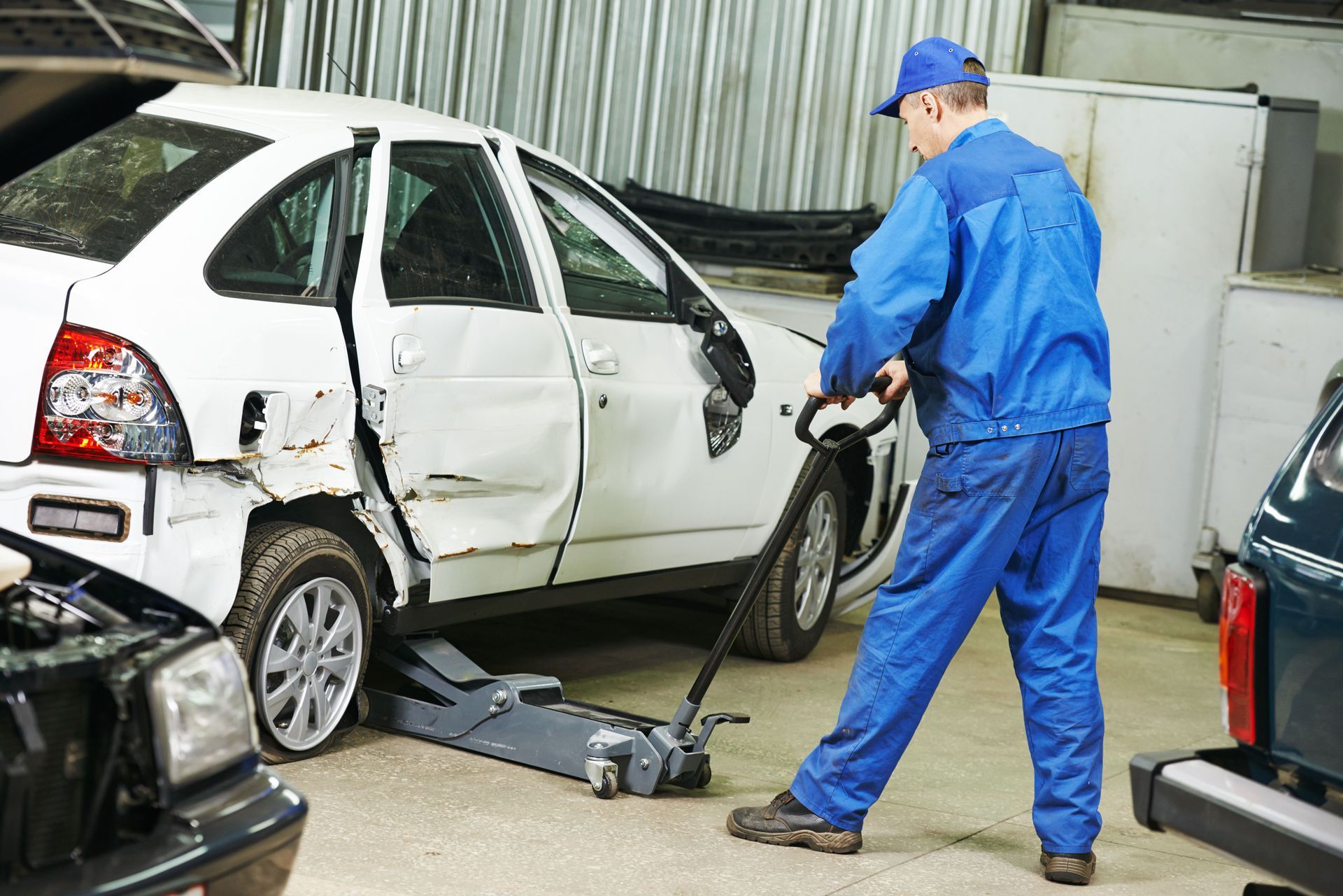
Technicians repair or replace damaged panels using specialized tools, welding methods, and metal-shaping techniques. Proper metal work restores structural integrity and prepares the vehicle for refinishing.
Matching and Applying Vehicle Paint
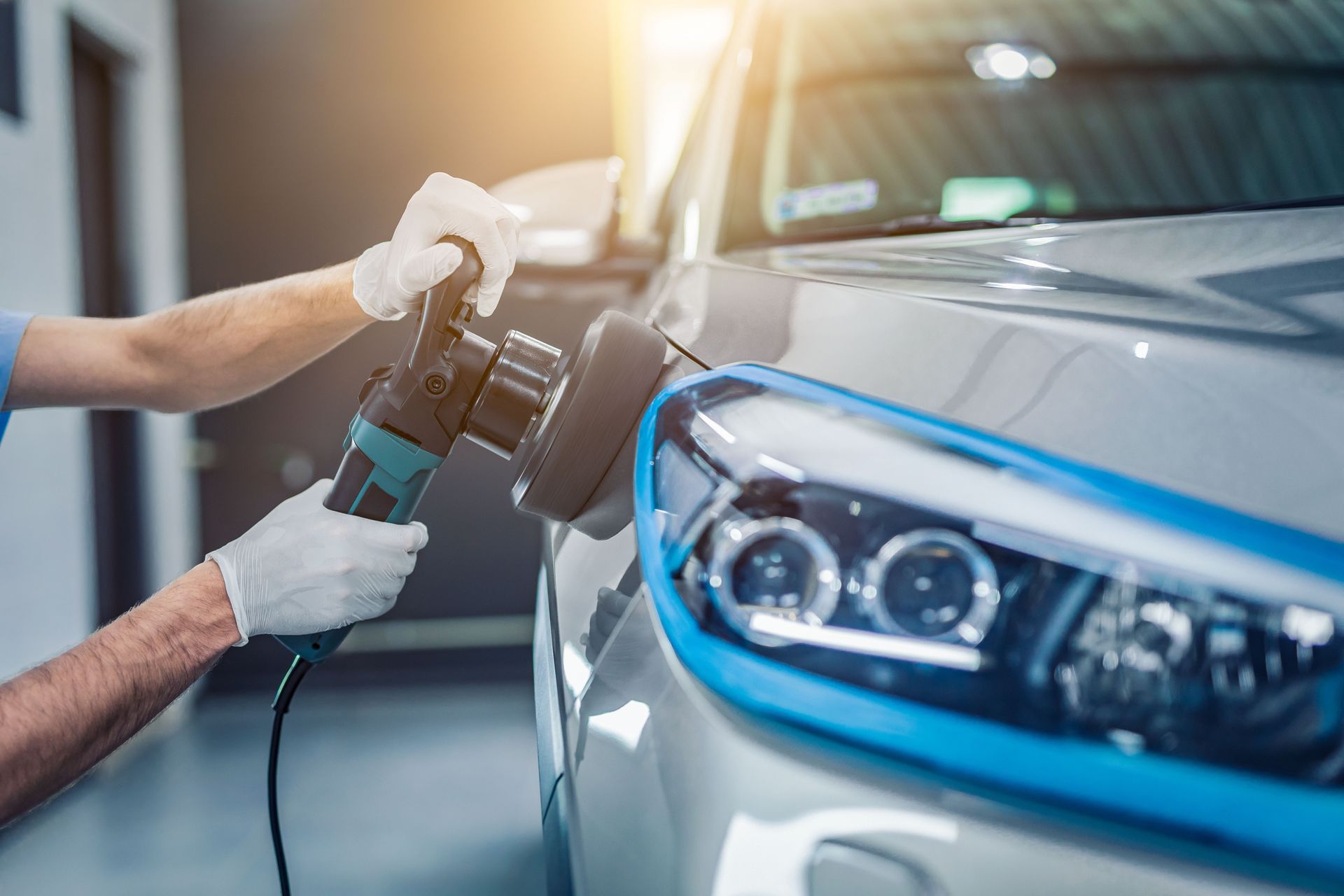
Accurate paint matching is essential for seamless restoration. Auto body shops use computerized color systems and apply paint in controlled environments to achieve a durable, smooth finish that blends with the original exterior.
Straightening and Aligning the Frame
If the frame is bent or misaligned, shops use computerized straightening systems to return it to factory specifications. Proper frame alignment ensures the vehicle handles correctly and remains structurally safe.
Applying Advanced Repair Technologies
Auto body shops increasingly rely on technologies like 3D scanning, digital measuring, and CAD modeling. These tools improve precision, reduce repair times, and support high levels of repair accuracy. According to the U.S. Bureau of Labor Statistics, there are over 794,000 auto service technicians, underscoring how essential ongoing training and skill development are within the repair industry.
Completing Final Quality Control Inspections
Before returning the vehicle, technicians conduct thorough inspections to confirm that repairs meet safety, performance, and aesthetic standards. This final check reinforces reliability and customer satisfaction.
Parts Sourcing and Replacement
Installing OEM Replacement Parts
OEM parts are designed specifically for each vehicle model, offering a high level of compatibility and long-term performance. Auto body shops often recommend these parts when optimal fit and function are priorities.
Offering Aftermarket Parts Options
Aftermarket parts can be cost-effective alternatives. High-quality aftermarket components can still provide reliable performance, and shops help customers determine the best options for their needs and budget.
Supporting Sustainable Parts Sourcing
Many auto body shops now integrate sustainable practices such as recycling materials and using refurbished parts when appropriate. These steps reduce waste and help lower the overall environmental footprint of the repair process.
Maintaining Strong Supplier Relationships
Strong supplier partnerships help shops access parts quickly and efficiently. Reliable sourcing reduces delays and keeps repair schedules on track, benefiting both the shop and the customer.
Managing Parts Inventory Systems
Advanced inventory systems help shops monitor part availability and anticipate needs. These systems streamline order management, ensuring timely access to essential components during repairs.
Custom and Specialized Repair Services
Providing Customization Packages
Auto body shops often provide customization services such as custom paint, body kits, detailing upgrades, and interior enhancements. Personalized modifications allow customers to achieve specific aesthetic or functional goals.
Offering Eco-Friendly Repair Options
Eco-conscious repair services include water-based paints, recycled metal components, and waste-reduction methods. These options appeal to customers who prioritize environmental responsibility without compromising repair quality.
Restoring Classic and Vintage Vehicles
Restoring vintage vehicles requires specialized expertise. Shops experienced in classic car work carefully match original parts, replicate historical finishes, and preserve the authenticity of older models while enhancing functionality.
Maintaining Collision Repair Certifications
Technician certification programs validate high standards of training and expertise. Certified technicians ensure repairs meet rigorous industry and safety benchmarks, supporting customer confidence.
Servicing Specialty and Luxury Vehicles
Shops also repair trucks, luxury vehicles, SUVs, and specialty models requiring unique tools and knowledge. Tailored repair methods help maintain performance and appearance across a range of vehicle types.
Ensuring Safety and Regulatory Compliance
Following Established Safety Standards
Auto body shops follow strict safety regulations that govern repair methods and service quality. Compliance ensures vehicles remain safe, reliable, and legally roadworthy after repairs.
Managing Emissions Testing and Controls
Post-repair emissions checks help ensure vehicles meet environmental standards. Shops adjust systems as needed to reduce emissions and support environmental initiatives.
Providing Warranties on Repairs
Repair warranties give customers reassurance that services and parts are backed by the shop. Clear warranty terms help set expectations and reflect a commitment to quality workmanship.
Meeting Accreditation Requirements
Accreditation from organizations such as the National Institute for Automotive Service Excellence (ASE) signals adherence to high industry standards. Consumers often look for these credentials when choosing a repair shop.
Supporting Ongoing Technician Training
Ongoing training keeps technicians up to date with the latest repair technologies and materials. Continuous learning supports high-quality service and adapts to evolving automotive designs.
Customer Service and Satisfaction Post-Repair
Providing Post-Repair Follow-Up Services
Many shops offer follow-up evaluations to ensure that repairs are performing as expected. These checks help identify minor issues early and reinforce strong customer relationships.
Collecting and Reviewing Customer Feedback
Customer feedback through surveys, online reviews, or direct discussions helps shops refine their services. Listening to customers strengthens quality and operational efficiency.
Resolving Customer Concerns and Disputes
Effective dispute resolution involves identifying concerns, discussing solutions, and implementing agreed actions. Proactive handling of issues turns potential frustrations into positive outcomes.
Auto body shops provide essential services that restore vehicles to safe, functional, and visually appealing condition after an accident. Through precise assessments, skilled repairs, and customer-focused support, auto body shops help vehicle owners move forward with confidence.
By combining modern technology with industry expertise, auto body shops offer effective solutions for everything from minor cosmetic repairs to major structural restoration. Their commitment to quality, safety, and transparency keeps them at the forefront of automotive care.
As vehicles and repair technologies continue to evolve, auto body shops remain indispensable partners in maintaining road safety and supporting vehicle owners through the repair journey. Call HEI Collision Center today to learn more. Our team is here to help you keep your car on the road.

Share On: