The Ultimate Guide to Comparing Local Auto Body Shop
Auto body shops play a vital role in maintaining and restoring the appearance, safety, and functionality of vehicles. From minor dent repairs and paint touch-ups to full collision restoration and glass replacement, these shops offer a wide range of services tailored to various needs. Understanding the scope of services, the importance of certifications, the differences between local and franchise shops, and the role of technology can help vehicle owners make informed decisions when selecting a repair provider. By knowing what to look for, you can ensure your vehicle receives quality care and lasting results.
Understanding the Basics of Auto Body Shops
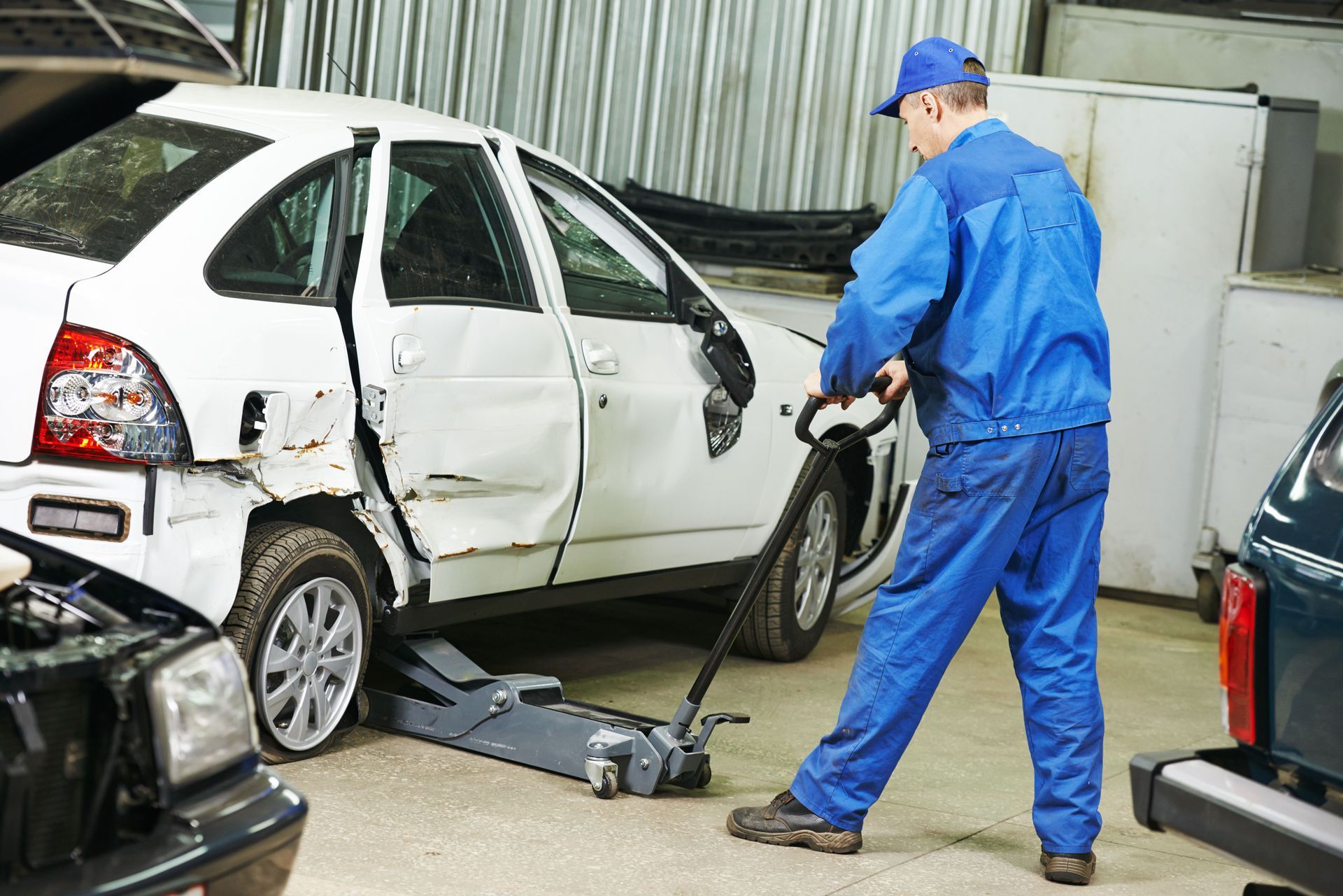
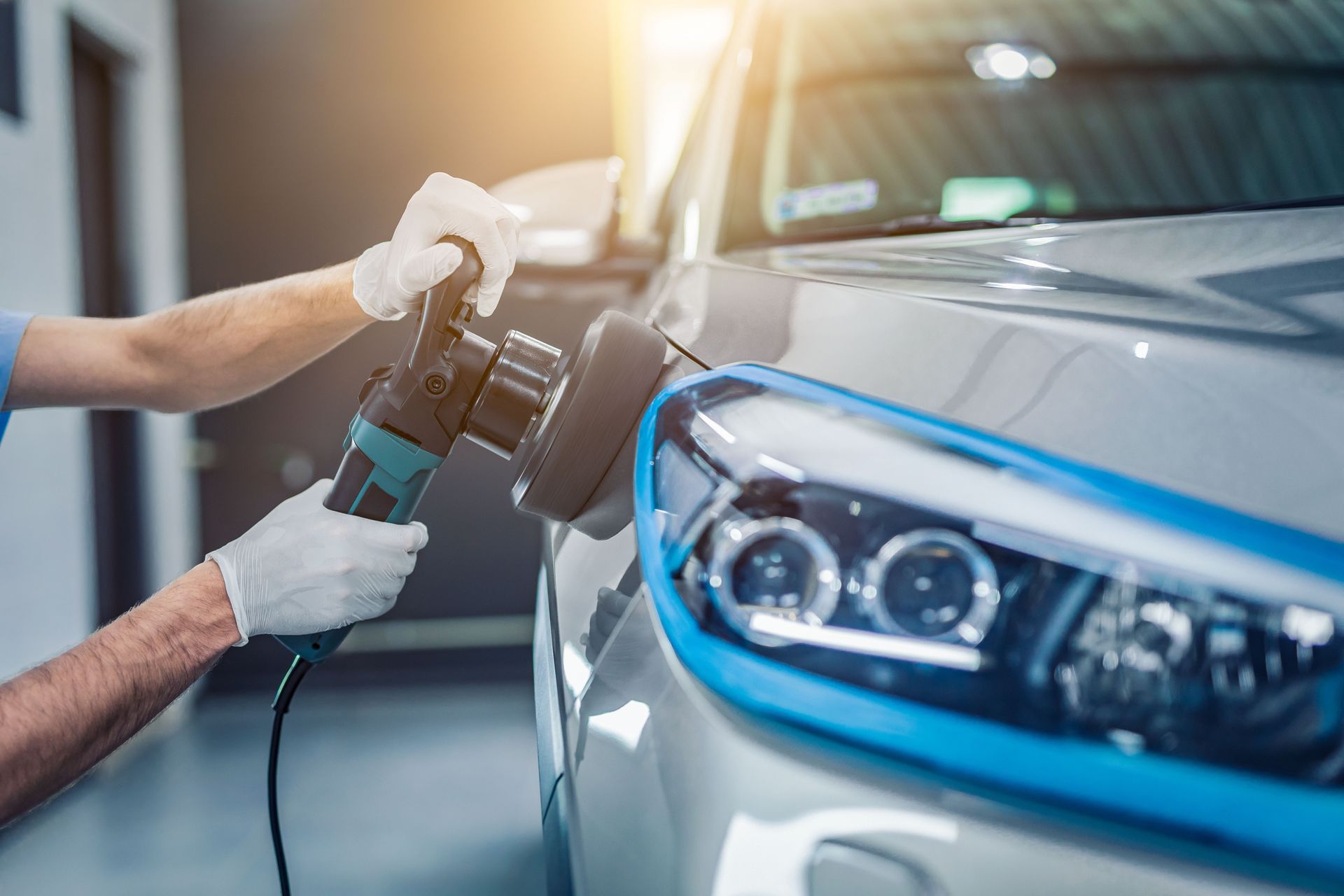
Local auto body shops provide a wide range of services designed to restore your vehicle to its former glory. From minor dent repairs that enhance the aesthetic appeal of your vehicle to complete paint jobs that breathe new life into battered exteriors, their offerings are diverse. Collision repair, another common service, involves rectifying structural damage caused by accidents and often requires special expertise. Other services may include glass repairs and replacements, like windshields, where costs can range from $350 to $550, according to Forbes. Understanding these services will ensure you seek the right help for your vehicle's needs.
Determining the right service depends on the damage and your expectations. Smaller issues, such as minor dents or scratches, can typically be resolved quickly. For extensive damage, particularly with collision repair, you may need to allocate more time and resources. Paintless dent repair is popular for minor imperfections that don't mar the paintwork. It's essential to consult with the shop to understand the options available and ensure the service aligns with your requirements.
In addition to traditional services, many local auto body shops now offer high-tech repairs. This includes computerized color matching for paint jobs or advanced frame straightening systems. Understanding such technological advancements can aid in selecting a local auto body shop that employs state-of-the-art methods for superior results. Technology in auto repair not only ensures quality but also improves the speed and cost-effectiveness of the services provided. Asking specific questions about the technology a shop employs can guide you to a more informed decision.
Importance of Certifications and Licenses
Certifications and licenses in the auto body repair industry play a crucial role in assuring customers of the quality and reliability of services. An ASE (Automotive Service Excellence) certification, for instance, is widely recognized and helps indicate the technical expertise of the mechanics. I-CAR (Inter-Industry Conference on Auto Collision Repair) certification indicates that the technicians are committed to ongoing training and are up-to-date with modern repair techniques. These certifications often serve as a seal of approval, allowing consumers to trust that their vehicle is in good hands. In an industry guided by precision and technical skill, such credentials are indispensable.
The absence of verifiable certifications or licenses might raise red flags about a shop's legitimacy or the quality of services provided. It’s crucial to ensure that a shop not only holds these credentials but keeps them current, reflecting ongoing education and adaptation to new repair standards. Similarly, state licenses are necessary to operate legally and ensure compliance with local regulations. Customers should not hesitate to ask for proof of these certifications when making comparisons between shops. Being proactive in validating certifications can prevent potential dissatisfaction and guarantee a higher standard of service.
Local vs. Franchise Shops
When comparing local auto body shops, an essential decision revolves around choosing between local independent shops and large franchise operations. Local shops tend to offer a personalized service experience, often building strong community ties and relying on word-of-mouth for their reputation. Franchise shops, conversely, might provide more standardized service with protocols honed across multiple locations but can sometimes lack the personal touch. Each offers distinct advantages and potential drawbacks based on customer expectations and repair requirements. Understanding these differences allows for a better match between customer expectations and shop capabilities.
Local shops often boast unparalleled customer service, driven by a commitment to their community reputation and long-term business relationships. However, they may lack the extensive resources or scale of franchises, occasionally resulting in longer wait times for specific parts or services. On the other hand, a franchise might offer efficient service and a wide array of resources due to its larger structure and industry connections. Yet, this efficiency might come at the cost of the personalized attention that local shops provide. Balancing these factors hinges on priority between personalized service and streamlined efficiency.
Shop Specializations
Some local auto body shops specialize in particular types of vehicles or services, influenced by market demands or technical expertise honed over years of practice. Specializations might include luxury or foreign car repairs, where precise work and brand-specific knowledge are paramount. Other shops might focus on technology-driven repairs like electric vehicle bodywork, understanding the nuances of emerging automotive technologies. Recognizing a shop's specialization can guide customers toward services that promise heightened proficiency and focus. It's particularly crucial for vehicles with specific repair needs, where generic service providers might falter.
Customers driving unique or classic vehicle models may seek out shops known specifically for handling those makes or models. Specialized shops equip themselves with manufacturers’ guidelines, exclusive repair techniques, and ideal materials, enhancing the likelihood of a successful outcome. This type of expertise often results in an improved partnership between the shop and customer, yielding optimal service results. The existence of such specialization signals an ongoing commitment to excellence in a niche market—something not all shops can provide. Engaging with specialized shops often guarantees a level of craftsmanship and understanding tailored to specific vehicle requirements.
Technology and Equipment
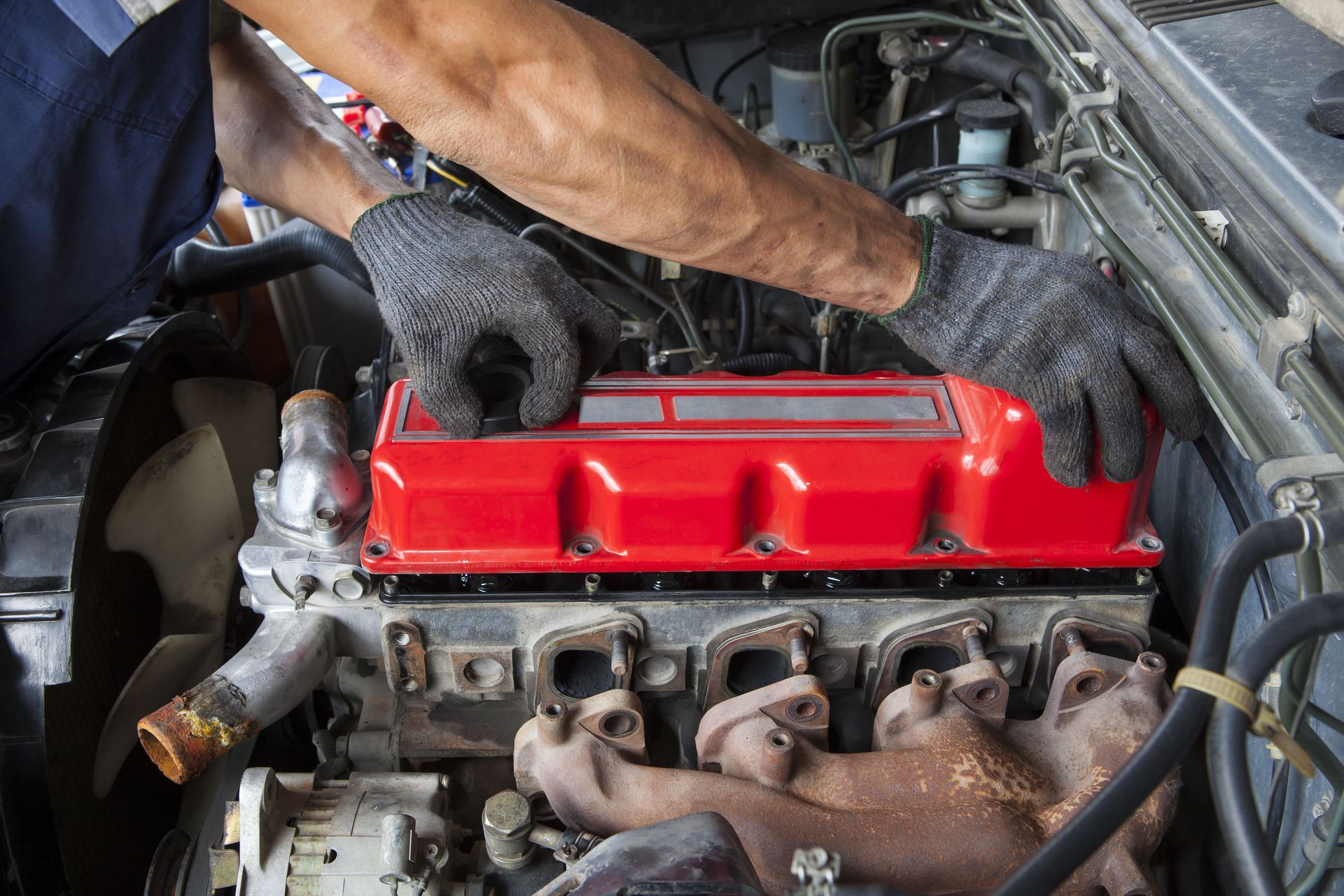
Advancements in repair technology have revolutionized how modern auto body shops operate, yielding repairs that are faster, more precise, and often more affordable. Computer-aided equipment now allows technicians to achieve exceptional accuracy in diagnostics and alignments. With tech-driven tools supporting service delivery, from color matching to laser-guided frame repairs, shops are responding to the increasing preferences for precision and consistency. Auto body technology translates directly to a higher standard of repair, something emphasized by auto manufacturers and endorsed by discerning customers. Investing in technology significantly enhances a shop's capability to handle complex repairs with reduced turnaround times.
Moreover, body shops that actively adopt these advanced technologies stand out as industry leaders, often educating staff through ongoing training to ensure proficiency. Shops with updated equipment often signal a commitment to quality and customer satisfaction, as outdated tools could compromise the repair work. Technological investments might also reflect a shop's forward-thinking approach, eager to meet and exceed emerging industry standards. For customers, this ensures not only quality of service but also a streamlined and accurate assessment of repair needs from the onset. Decision-making should therefore emphasize shops known for leveraging technological advancements within their operations.
Choosing the right
local auto body shop involves more than simply finding a convenient location. Evaluating certifications, licenses, shop specializations, technology, and customer service ensures that your vehicle is in capable hands. Whether opting for a local independent shop or a larger franchise, understanding the shop’s expertise and equipment can make a significant difference in repair quality, turnaround time, and overall satisfaction. By doing thorough research and asking informed questions, vehicle owners can secure reliable, precise, and durable repairs, ultimately restoring both the functionality and aesthetics of their vehicles with confidence. Do you need a local auto body shop? Contact us at HEI Collision Center today!

Share On: